

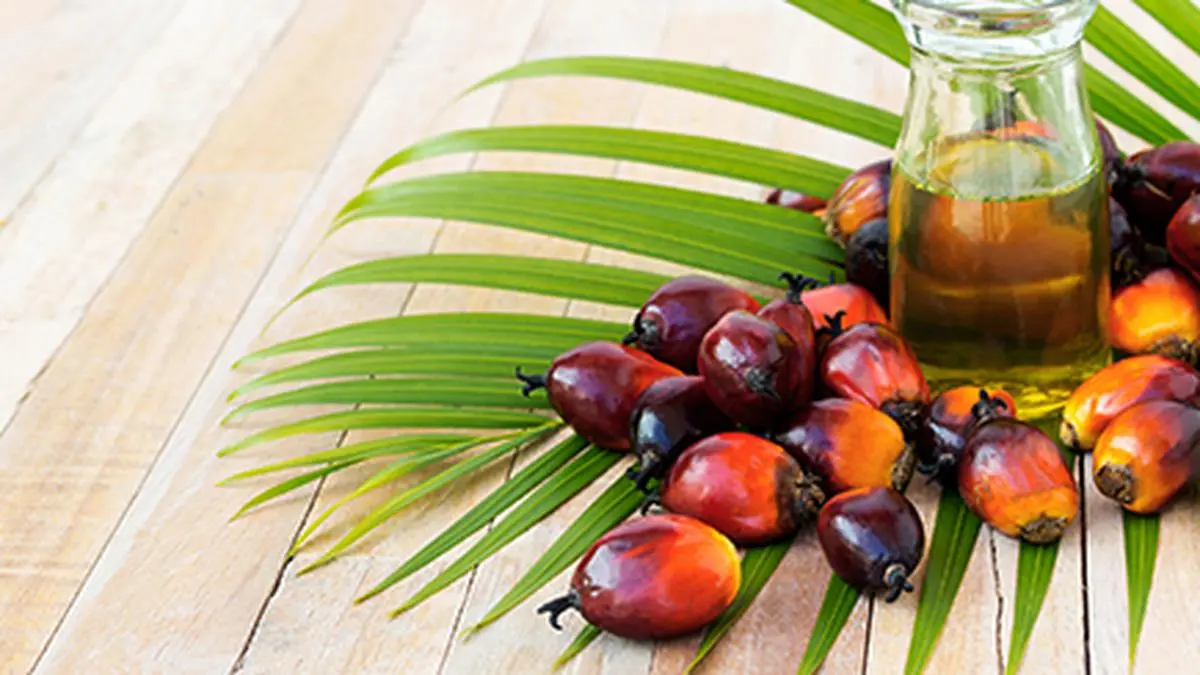
India is at a critical point on his trip to agricultural self -sufficient. As the world’s largest palm oil importer, the country faces a double challenge: to balance the edible affordability of oil for consumers, while reducing its great dependence on imports, which imposes a significant economic burden. Government initiatives, led by the National Mission on Palm-Oil Palm (NMEO-OP) and the National Mission of Oils-Oilseeds (NMEO-OILSEEDS), aim to boost the national production of oilseed seeds, train rural blades and promote sustainional bharat.
The union cabinet recently approved NMEO-OILSEEDS, which will be implemented from 2024-25 to 2030-31 with a disbursement of ₹ 10,103 million rupees. The Program Focuses On Amazing Production of Key Oilseed Crops Like Rapeseed-Mustard, Groundnut, Soybean, Sunflower, and Sesame, Along with Improving Extraction EFFECTION FROM SECARY SOURCES LIKE COTTONSEED, AND TREE BRAN, AND AND TREE BRAN, AND TRE and Tree Bran, and and tree Bran, and and tree Bran, and and tree bran, and tree bran, and tree bran of the trees, and the bran of the trees, and the Bran of the trees, and the Bran of the trees, and the Bran of the trees, and the Bran of the trees, and the Bran of the trees, and the trees of the trees. It is aimed at an increase in the primary production of oleaginous seeds of 39 million tons (2022-23) to 69.7 million tons by 2030-31. Together with NMEO-OP, the objective is to increase the production of domestic edible oil to 25.45 million tons by 2030-31, fulfilling around 72 percent of the projected requirement of India or 35.5 million tons.
Economic tension
In 2024, palm oil represented 38 percent of the consumption of edible oil of India, so it is integral for millions of diets. However, import dependence creates vulnerabilities. Currently, 57 percent or the demand for edible oil is through imports, with palm oil that includes 59 percent of this. This costs India around $ 15 billion annually, forcing the economy and exposing it to global price fluctuations. Kitchen oil prices, for example, increased due to the highest import tariffs and market volatility.
To address this, NMEO-OP plans to expand the cultivation of the oil palm in 16.71 Lakh hectares, with 8.50 Hectares that is expected to produce fruit by 2029-30. It is projected that this produces 170 Lakh of tons of clusters of fresh fruits (FFB) and that drives the production of raw palm oil (CPO) to 28.11 Lakh tons by 2029-30.
India’s strategy focuses on small -scale farmers instead of large plantations, with a strong potential for the creation of rural employment and income generation. The Mega Oil Palm Plantation Drive hired more than 10,000 farmers in 12,000 hectares in 15 states from July to September 2024. With yields of 4–5 tons per hectare annually, the palm cultivation offers economic stability.
Key challenge
A key challenge is the gestation period of four years before oil palms deliver yields. To support farmers, the NMEO-OP sections subsidies for offspring, fertilizers and irrigation, together with a price drop in viability gap (VGP). Interpreted: Cultivation of secondary crops together with the oil palm trees – provides provisional income and improves soil health.
To guarantee success, the Association of Solvent extractors of India (SEA) has increased the NMEO-OP budget to support the education of farmers, improve the quality of the seeds, modernize practices and improve the processing and storage infrastructure.
The impact of palm oil covers agriculture, transport, storage and processing. However, refined palm oil imports with a slow progress. To address this, it has proposed to increase import tariffs on refined palm oil (RBD Palmolein) and restrict tax -free imports of finished products such as soap noodles and stearic acid that local industries undermine.
Hul’s movement
In a recent movement, Hindustan Unilever Limited (Hul) acquired the Palm Unit of Vishwatej Oil Industries in Telangana under its palm location strategy. Hul will establish nurseries, fruit collection centers and a modern palm oil factory, which introduces global best practices in sustainable agriculture.
It is also requires uniform import duos in raw edable oils and private associations backed by the Government for extension programs.
The palm oil approach of India is aligned with consumer preferences and sustainability. For the first time, the Ministry of Agriculture of the Union is surveying the consumption of edible oil through the “My Gov” platform.
Worldwide, palm oil provides 35-40 percent or the demand for vegetable oil that uses less than 6 percent of the land necessary for all vegetable oils. Alternatives such as soybeans, coconut or sunflower require 4-10 times more land, risking other ecosystems. Palm oil produces more per hectare and needs fertilizers, pesticides and energy inputs.
Sustainability The focus center
Sustainability is essential for NMEO-OP, focusing on low water consumption, better soil health and the use of fallow lands. The northeast, with favorable conditions, is ideal for large -scale cultivation, thought infrastructure gaps and high transport costs require specific investments and subsidies.
Long-term success requires investment of R&D D. Innovations such as climate-resistant seedlings, high density plantation and public-private associations can increase productivity. Soil and biodiversity conservation efforts are also vital for ecological balance.
The palm oil mission of India is more than an agricultural reform: it is a plan for inclusive growth, economic resilience and sustainability. By focusing farmers, the sustainability of Holraza and allowing the collaboration of the government industry, India discharges the self -sufficiency of edible oil. With adequate policies, investments and associations, palm oil agriculture can transform the economic and agricultural landscape of India, which drives the prosperity of the farm on the table.
The author is the former additional commissioner (oil seeds), Department of Agriculture and Welfare of Farmers, Government of India
Posted on April 26, 2025