

Close Menu
USA Biz News Stay Current on Economy News
  • Home
  • USA
  • World
  • Politics
  • Business
    • CEO
    • Realtor
    • Entrepreneur
    • Journalist
  • Sports
    • Athlete
    • Coach
    • Fitness trainer
  • Health
    • Doctor
    • Plastic Surgeon
    • Beauty Cosmetics
  • Economy
  • Life Style
Trending
  • Mr. Eric Y.S.: Anchoring Truth, Purpose, and Impact Through Storytelling
  • From Quiet Beginnings to Purpose-Driven Impact: The Inspiring Journey of Sarah Grace
  • The Journey of Danny B Musique: A Symphony of Passion, Perseverance, and Purpose
  • Novartis Gets Ready for Possible Trump Tariffs: A Pharma Giant on Alert.
  • The U.S. government is thinking about making a website, maybe even with Trump’s name on it, to help people find cheaper medicine.
  • Stocks Pop After Interest Rate Decrease: Great or Just for Wall Street?
  • Trump’s Policies Put Clean Energy Jobs in Danger.
  • Is America Headed Back to a McCarthy Era?   
USA Biz News Stay Current on Economy News
Tuesday, March 10
  • Home
  • USA
  • World
  • Politics
  • Business
    • CEO
    • Realtor
    • Entrepreneur
    • Journalist
  • Sports
    • Athlete
    • Coach
    • Fitness trainer
  • Health
    • Doctor
    • Plastic Surgeon
    • Beauty Cosmetics
  • Economy
  • Life Style
USA Biz News Stay Current on Economy News
Home » News » Can Your Dinner Plate Predict Your Brain Health?

Can Your Dinner Plate Predict Your Brain Health?

Jessica BrownBy Jessica Brown Doctor
Share
Facebook Twitter LinkedIn Pinterest Email

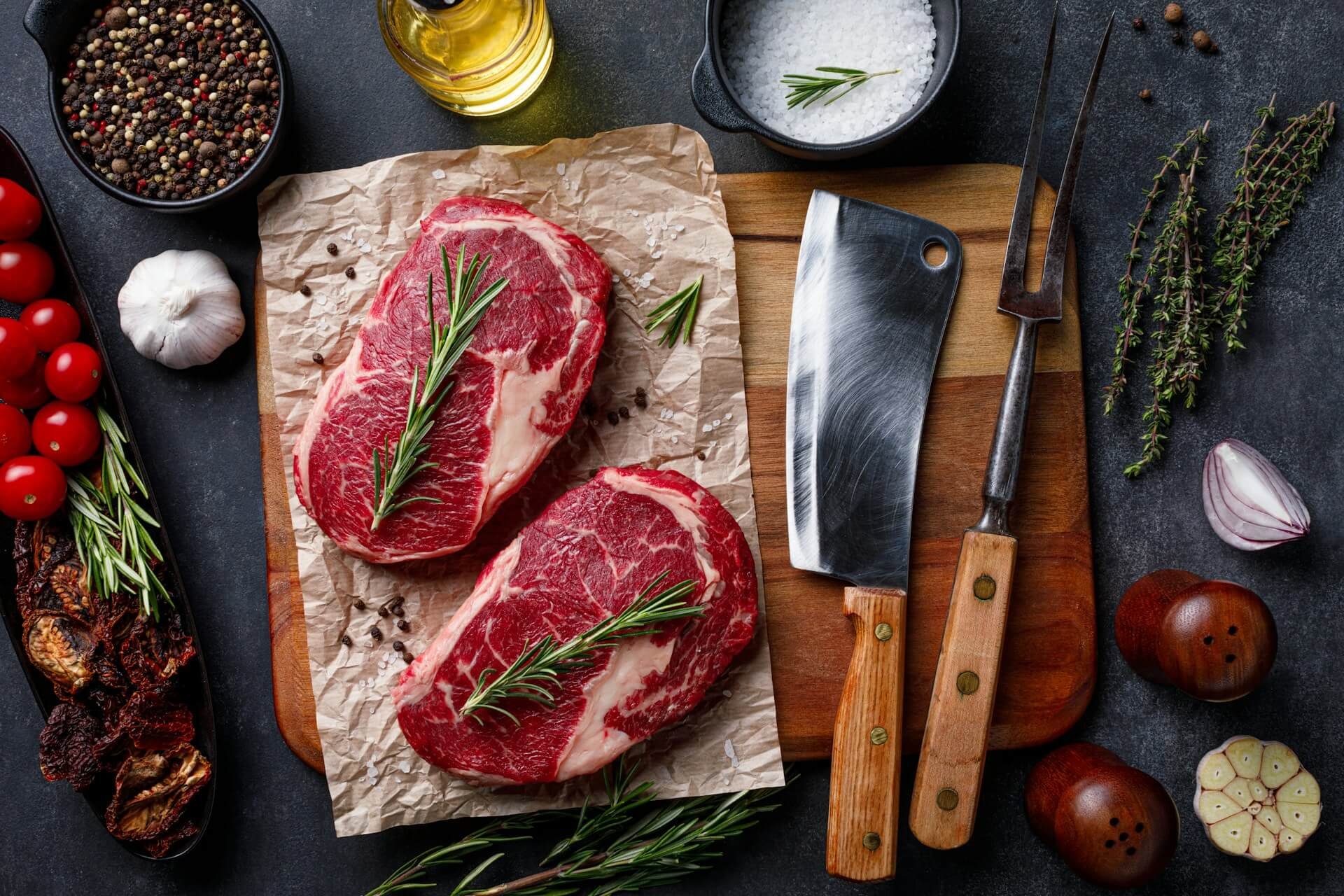
An innovative study reveals that eating too much red meat, a special processed child, could increase its risk of dementia. But do not worry, exchange these health alternatives not only saves your memory but also keeps your young brain.

Red risk and dementia

Dr. Daniel Wang and his team at Harvard Public Health School of Harvard Thard tracked more than 133,000 medium -sized adults for up to 43 years. Your findings? Consume more than 21 grams (approximately three quarters of an OEN) or red or processed meat daily increased the risk of dementia by 13%. Meanwhile, eating more than 86 grams (approximately 3 ounces) or unprocessed red meat per day raised the risk of dementia by 16% compared to those who ate less.

These numbers are not just about future risks. The researchers also found that each addition of 86 grams of processed meat consumed daily could accelerate the aging of the brain in 1.6 years.

The power of swaps

The good news is that you can defend yourself. The study found that replacing red or processed meat with healthier proteins such as nuts, legumes and a lower risk of low fish in 19% and decreased cognitive decrease by 21%. Essentially, these changes in the diet could help delay cognitive aging in 1.37 years, a significant impulse for brain health.

As Dr. Wang explained, most dietary guidelines focus on preventing heart disease or diabetes, but either outlook brain health. This study highlights how what you eat plays a fundamental role in maintaining cognitive function.

Why is red meat a risk?

Researchers suggest that saturated foods and sodium in red meat can damage brain cells. But the problem does not stop there. When red meat is digested, intestinal bacteria produce a compound called trimethylamine N-oxide oxide (TMAO). Tmao is linked to the accumulation of amyloid and Tau proteins, both key players in Alzheimer’s disease. This process could explain the connection between red meat consumption and cognitive deterioration.

Practical changes to protect your brain

This is how you can make healthy adjustments for the brain:

  • Red: Limit its consumption of processed and unprocessed red meat.
  • Choose smarter proteins: Add nuts, beans and fish to your diet.
  • Balance your dish: Consider following a Mediterranean or plant diet for general health and brain protection.

Why does this matter

The study provides convincing evidence that the diet is not just about the waist or heart, it is also its brain. Dr. Wang and his team concluded: “Reduce the consumption of red meat, particularly processed children, could be a valuable strategy to improve cognitive health.”

Then, the next time he is planning meals, think of his brain and make decisions that nourish both his body and his mind.

Previous ArticleNCAA hands former Michigan coach Jim Harbaugh a 4-year show cause order for recruiting violations
Next Article Breast-Conserving Surgery Improves Sexual Well-Being Compared to Breast Reconstruction

Keep Reading

new dates added | CDOCS Digital Magazine Article

Interdisciplinary Case Report I eMax I CDOCS Blog

8 exercises to ease dental neck and back pain I CDOCS Blog

Knowing More about Photochemical Etching and Dental Implants

Dr. Varisha Parikh Joins CDOCS as Resident Faculty Member

How healthcare providers can verify health insurance coverage without an SSN

Most View

new dates added | CDOCS Digital Magazine Article

June 19, 2025

Interdisciplinary Case Report I eMax I CDOCS Blog

June 11, 2025

8 exercises to ease dental neck and back pain I CDOCS Blog

June 7, 2025
Latest Posts

new dates added | CDOCS Digital Magazine Article

June 19, 2025

Interdisciplinary Case Report I eMax I CDOCS Blog

June 11, 2025

8 exercises to ease dental neck and back pain I CDOCS Blog

June 7, 2025

Knowing More about Photochemical Etching and Dental Implants

June 4, 2025

USA

  • World
  • Politics
  • Economy
  • Life Style

Business

  • CEO
  • Realtor
  • Entrepreneur
  • journalist

Sports

  • Athlete
  • Coach
  • Fitness Trainer

Health

  • Doctor
  • Plastic Surgeon
  • Beauty Cosmetics
© 2017-2026 usabiznews. All Rights Reserved.

Type above and press Enter to search. Press Esc to cancel.