

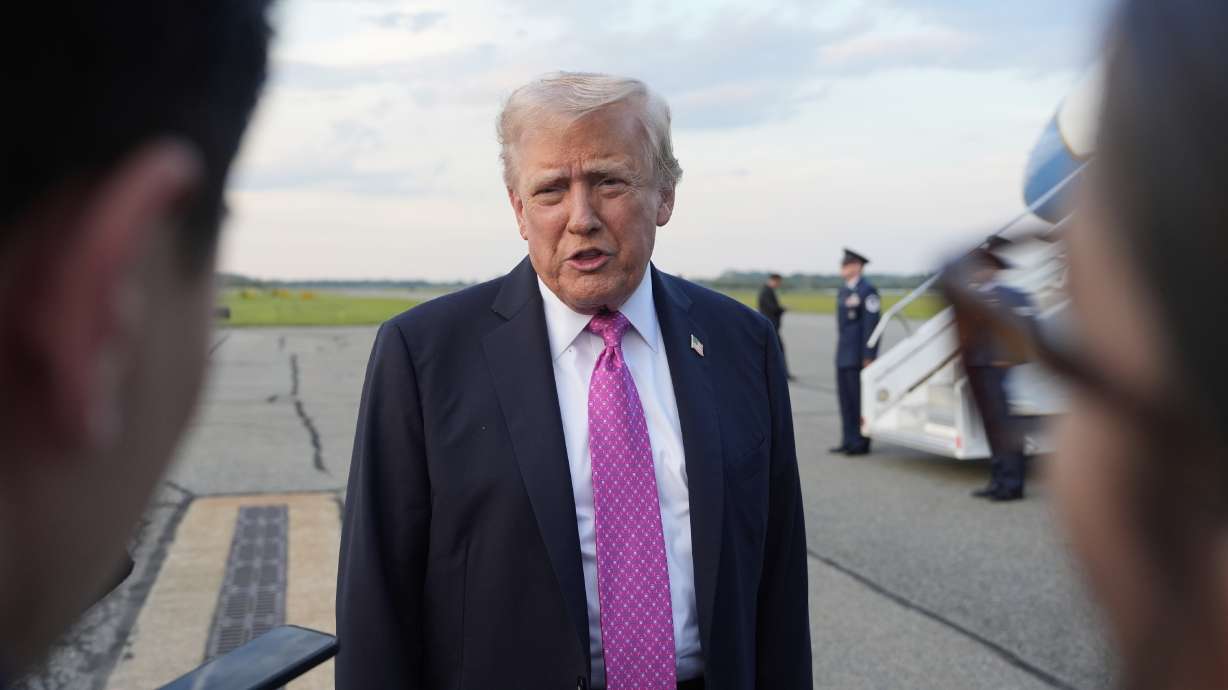
President Trump is bringing up an old idea: Should U.S. companies stop reporting their financial results every three months? This has been talked about for a while, and now it might actually happen. Instead of quarterly reports, companies might just report earnings twice a year. The idea is that less reporting could mean less pressure and fewer dramatic headlines. But is this a good idea? Should we trade information for flexibility?
Right now, companies report earnings every three months. The CEO talks about the numbers, experts check them out, the stock market does its thing, and the news covers it all. It’s a routine, and investors use these reports to stay in the loop.

Trump and others think this system has problems. They say it makes companies focus on short-term goals instead of what’s best in the long run. If companies reported less often, they might invest more in research, try new things, or hire more people things that could really pay off later. Big names like Warren Buffett and Jamie Dimon have also said they’d like fewer reports. They think CEOs spend too much time trying to meet quarterly expectations instead of building something that will last. For them, less reporting means companies can run their business easier.
The worry is that less information could hurt the financial markets. If people don’t get regular updates, they might not have enough information, which could cause problems or hide issues. Right now, quarterly reports let investors see how a company is doing on a regular basis. If those reports were only twice a year, investors wouldn’t know as much. A lot can happen in six months. Companies might not meet their goals, change direction, get new leaders, or face scandals. Would investors be left in the dark?
Some people think the focus on the short term isn’t just about how often reports come out. It’s also about how executives get paid. If their pay depends on the company’s stock price, they’ll always worry about quarterly results. Ending quarterly reports might just hide that pressure for a while.
Trump is generally seen as pro-business, and this idea fits that image. Others see it as a way to save companies money and make them more competitive. Not every country needs quarterly reports. Europe often likes reports twice a year.
Of course, some wonder if this is to help businesses or avoid accountability. Government groups like the SEC will have a big say in what happens. And everyone will question any plan the current president suggests.
For companies, this idea has upsides and downsides. Some CEOs would like the extra time and freedom. They say that quarterly reporting makes them focus on looking good in the short term instead of running the company well. But others worry that less reporting would make investors nervous, especially those who don’t have the resources of big investment firms. For investors, especially smaller ones, quarterly reports help them see if a company is being managed well. If those reports are less often, smaller investors might feel like they’re at a disadvantage compared to larger firms that have easier access to information.
This shows that change is possible. People have been criticizing the focus on quarterly reports for years. Even if the president’s idea doesn’t go anywhere, companies might look for other ways to balance openness with long-term plans. Some have already started giving less specific predictions to reduce the focus on short-term numbers. Others are spending more time talking about overall strategy and less about quarterly figures during investor calls.
The big question is: Do quarterly reports keep companies in line, or do they just make things more complicated?
As this is being discussed, everyone is paying attention. Investors, experts, and company leaders all know that the current system isn’t perfect, but changing it would be a big deal for American business. If earnings season only happened twice a year, there would be less news and fewer surprises. Would that calm things down, or would it just make the surprises bigger when they finally happen? Right now, nothing is changing. The SEC and Congress would have to agree before anything is changed. But Trump’s idea has brought back a discussion that isn’t going away. Whether you like the idea or not, it makes you think about what drives the markets: information, responsibility, or just waiting for the next big announcement.