

Analysis or decrease in the role of sugar -based ethanol in the EBP program of India, changing to biofuels based on grains and 2g for growth.
The sugar -based ethanol, once central to the Ethanol Ethanol Gasoline Program (EBP) of India, faces a decreasing role due to the limitations of raw material, the sugar demands in competition and a strategic change towards grain sources. Although it is essential for the launch of the EBP in 2003, its progress is now limited. This analysis details the current situation and implications for the production of sugar -based ethanol.
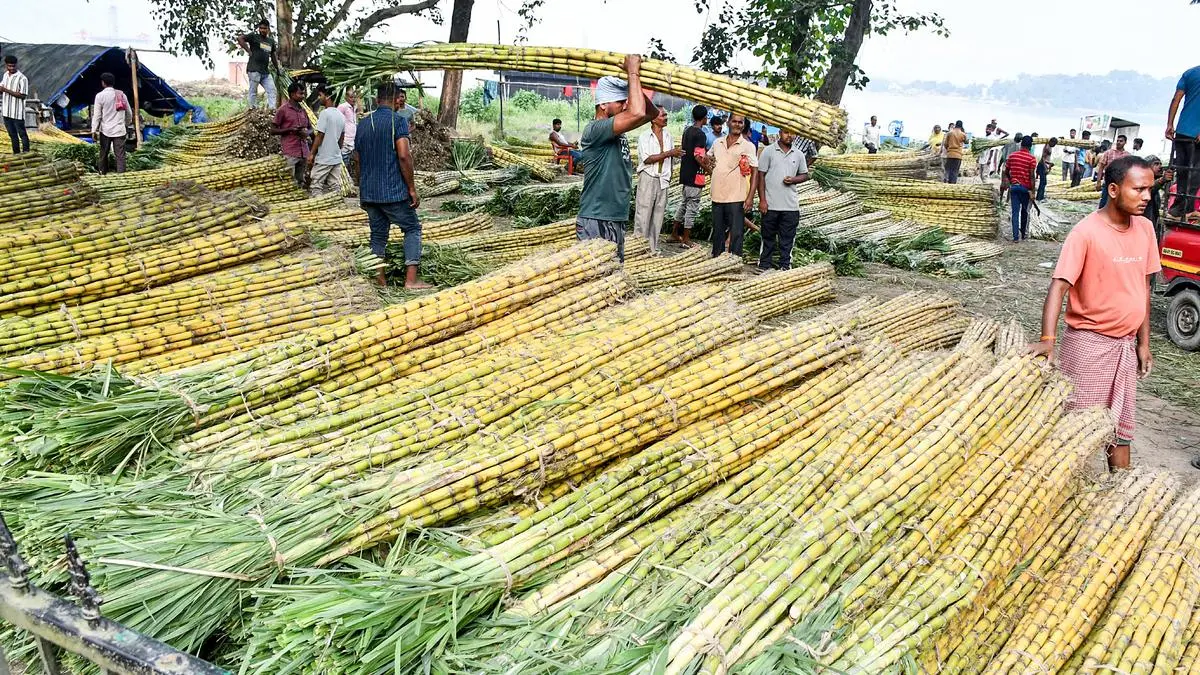
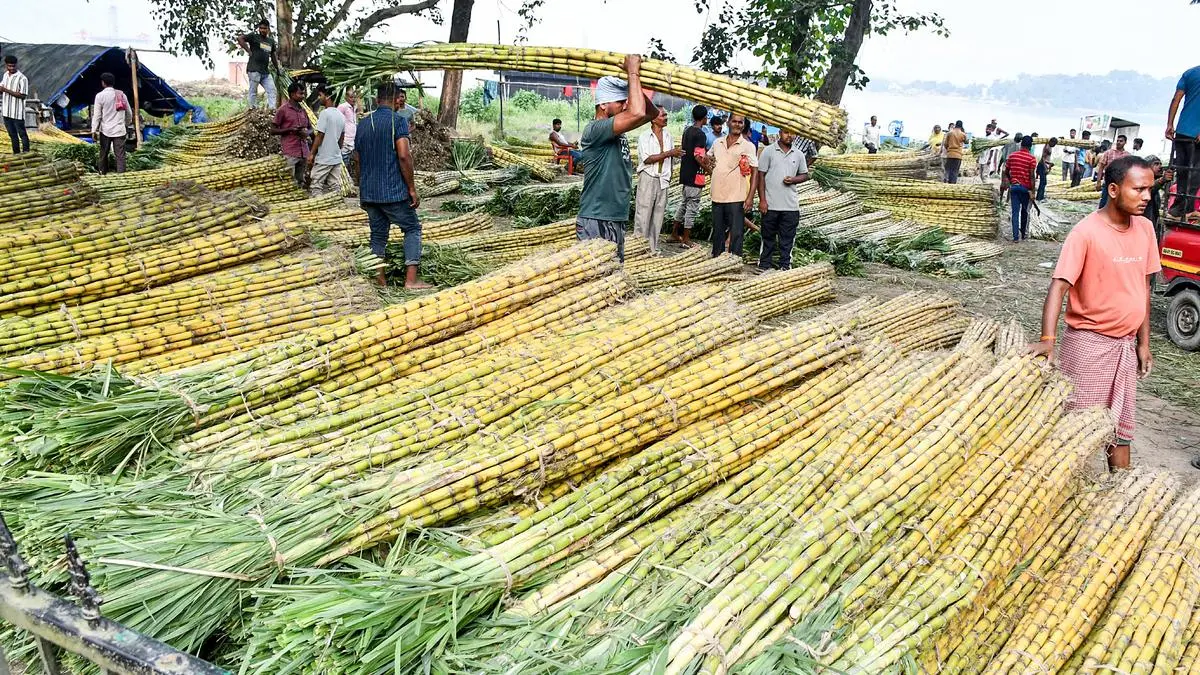
Current limitations: Initially to the leverage of the sugarcane domain of India, the sugar -based ethanol had problems fulfilling the combination objective of 20 percent (achieved with a 30 percent mixture based on sugar and 70 percent based on grain). The shortage of sugar last year, falls for failures in the monsoon, prioritized the consumption of national sugar, which leads to ethanol prices stalled by sugar cane juice and a heavy molasses B, with an effective limit with its growth in an alternative based on favor.
The central problem is the availability of raw material. The high water consumption of sugarcane (around 2,860 liters of water per liters of ethanol) and the limited capacity of molasses based on molasses (875 million liters of 1,380 million rupees at the end of 2023) make a significant escalation unsustainable, which requires large land and water resources that confirm with food security and water conservation. With the annual national sugar demand in 28-29 million tons and a projected production drop, the large-scale diversion from cane to ethanol is unlikely.
Policy change impact
Impact on sugar mills: Encouraged by tight incentives, the sugar mills invested strongly in ethanol distilleries. However, the change of policy that limits the ethanol based on sugar and stagnant acquisition prices have led to underutilized capacity and financial tension. The initial economic projections, based on a constant increase in sugar -based ethanol demand, are now affected by grain -based ethanol prioritization (capacity of 505 million liters and growth) and lack of price stability for ethanol based on sugar.
The change based on grain and beyond: The government favors grain -based ethanol (now 70 percent of the 20 mixtures) due to their scalability and reduces food security concerns when using surplus grains such as corn. Price signals that favor corn and policies that allow FCI rice for ethanol have increased grain -based capacity. However, only this faces limitations due to competitive corn demands and potential rice shortage.
The future exploration of the ethanol mixture in diesel, a much larger fuel market, highlights even more the insufficiency of depending solely on sugar -based ethanol. The 2G biofuels based on grains and emerging crop waste are more likely solutions, he thought that 2G technology is still developing in India.
Incentives for the adoption of multifeedstock production
Multifeedstock adaptation: To optimize the existing infrastructure, the government should encourage sugar factories to adopt multifeedstock ethanol production, allowing the issue to process grains and waste next to sugarcane. Although a recent interest subsidy scheme for cooperative factories is a positive step, extending it to private factories (60 percent of the sector) is crucial to maximize the national ethanol capacity and guarantee equitable growth. The support for modernization and insured prices for multipedino ethanol would further boost this transition.
Sugar -based ethanol: The future of sugar-based Ethanol seems stable instead of expansive, potentially establishing in 30-40 percent of the EBP mixture, depending on the production of stable cane. Its role will be formed by: Prioritization of the Sugar Safety Government, the demands for ethanol in competition (including diesel and industrial uses), the sustainability of sugar cane and the economic viability of the mills with the price of wood. 30 percent participation in the current mixture can represent a practical limit.
Conclusion
Ethanol Wille based on sugar is still a taxpayer to the mixture of biofuels of India, but its domain has finished. Government change to grains means a diversification strategy. Promoting multiple food projects in sugar factories is vital to take advantage of existing investments and optimize capacity. The future growth of ethanol will mainly come from 2G grain and biofuels, which limits the potential of sugar -based ethanol due to resources limitations and the increase in more flexible alternatives.
(The author is managing director of Samarth SSK LTD and co -president of the Sugar Bioenergy Forum (SBF) under the Indian Energy Federation).
Posted on April 26, 2025