



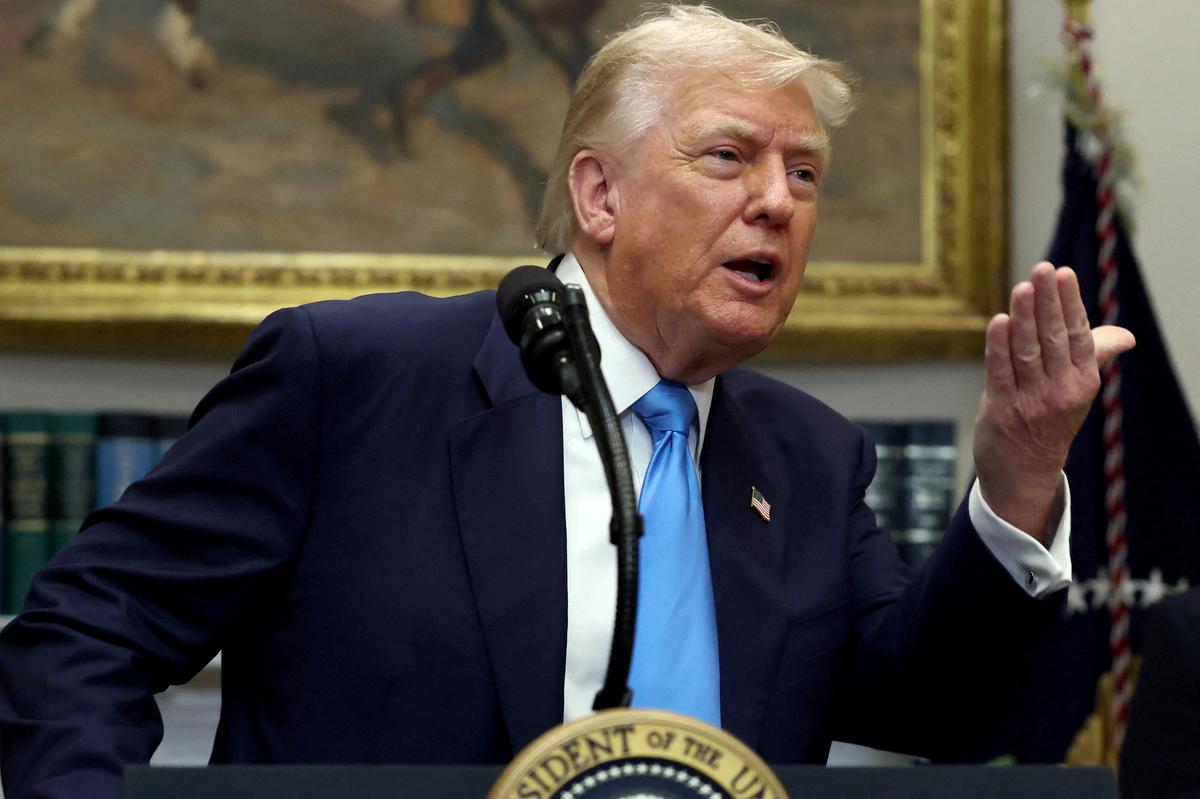
The business world is always moving, especially when politics gets involved. Right now, everyone is watching Novartis, the big Swiss drug company, as it gets ready for a possible problem. President Donald Trump has talked about putting new taxes on things coming from other countries, and this has worried many industries. But for drug companies, it feels like there’s more at stake. This isn’t about fancy bags or cars; it’s about medicine. Medicines that save lives. Treatments that many Americans use every day. Novartis knows this, so they’re already taking action instead of waiting to see what happens.
One of the biggest things they’re doing? Stocking up. The company is actually building up supplies of important drugs in warehouses in the U.S. to keep shortages from happening if tariffs really hit hard. It might sound extreme, but that’s what it’s like now. Trade issues and politics don’t just make news; they can affect hospitals and people’s homes. And Novartis, which has billions invested in the United States, knows it can’t afford to be caught off guard.
Remember, Novartis is huge. It’s not some small company trying to stay afloat. It’s one of the biggest drug companies in the world, and it plans to invest $23 billion in America alone. That amount of money shows how important the U.S. market is to the company. But tariffs could suddenly make it more expensive to bring drugs into the country. And since there are already so many arguments about the cost of healthcare, that would be a bad situation.

Novartis has two main strategies. First, build up supplies now, so people don’t suddenly run out of the medicines they need. Second, get ready for the future by making more products locally. “Made in America” is becoming a reality for companies that want to avoid problems with tariffs. Novartis is changing quickly, which proves it’s willing to change its plans in a world where things can change fast.
But here’s what really matters. Taxes on drugs aren’t just another business story. They affect real people. People with cancer who need new treatments. Older people who need to control their blood pressure or diabetes. Parents who need to pick up prescriptions for their kids. Medicine is not something you can wait to buy. That’s why this feels so important.
Trump has said for a long time that foreign drug companies make too much money from the U.S. market while making their products overseas. His promise to bring jobs and factories back to America appeals to many voters. It’s a patriotic message that fits with his “America First” plan. But some worry that this could backfire, raising prices for patients and making the healthcare system even more strained. The discussion is not just about economics, but about what is right and wrong. Who should pay the price for these changes?
Inside Novartis, leaders are trying to find a balance. They want to stay on good terms with Washington, showing that they are investing in America and creating jobs. But they also need to keep their shareholders happy and make sure people still trust them to provide their medications. One person in charge said they are trying to be ready for changes in policies. That means they don’t want to be surprised again.
And then there are the other effects. Tariffs don’t just affect companies like Novartis. They affect the whole healthcare system. Insurance companies might have to raise their prices. Pharmacies could have trouble getting supplies. Hospitals might have to limit how much medicine they give out if supplies become scarce. And in the end, people who can least afford it would be the first to feel the effects. Imagine a cancer drug that already costs $5,000 a month suddenly costing more because of tariffs. Many families couldn’t afford that.
There’s another possibility, too. Could these tariffs actually make drug companies invest more in manufacturing in America? Some experts think so. If Trump does what he says, we might see new drug factories opening in states that have lost jobs. That would be a political win. But economically, it’s complicated. It takes years to build labs, meet rules, and train workers. Novartis seems to understand this. That’s why their plan is not just a quick solution, but a long-term shift. Stock up now, build later.
But let’s remember the people involved. Behind all the business plans and news stories are real people. A grandmother in Texas is fighting leukemia. A father in Ohio is picking up insulin. A single mother in New York is depending on affordable medications. For them, it’s not about tariffs or politics. It’s simple: Will I be able to get my medicine next month? And how much will it cost?
Markets are watching this closely, too. Drug company stocks often go up or down depending on what’s happening in Washington. If tariffs are announced, companies in the U.S. that make their products here could do well, while global companies like Novartis might suffer. But some think Novartis could become stronger in the long run, showing that it can adapt and remain strong under pressure. In times like these, being able to change is very important.
What happens next? That depends on Washington. Trump hasn’t made anything official yet, but the possibility has already caused changes. That shows how much political talk matters in today’s connected markets. Novartis isn’t waiting for anything official; they’re getting ready now.
In the end, this isn’t just about a company or a tariff. It’s about trust. Trust that people will still get their medicine on time. Trust that companies won’t let politics interfere with healthcare. Trust that governments understand how important their decisions are when people’s lives are involved. Novartis is trying to build that trust by acting early. But we’ll have to wait and see if that’s enough.
So, can getting ready protect people from the effects of tariffs? Or will Americans soon pay more at the pharmacy, no matter what? We’ll find out soon enough. For now, Novartis has shown its plan. It’s ready for what might happen. And the rest of the drug industry is watching closely, taking notes, making plans, and getting ready for whatever comes next.


