

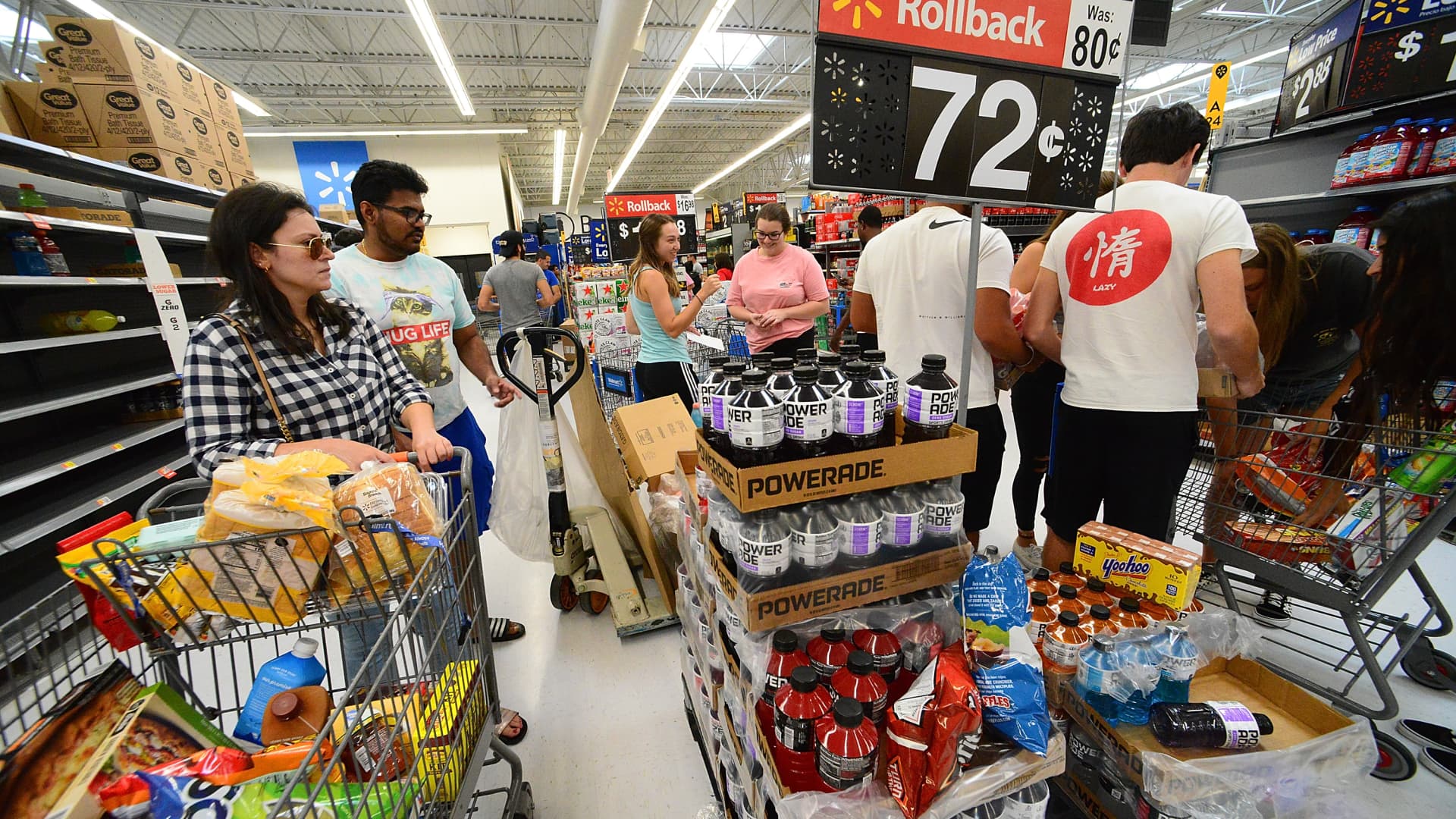
People in the U.S. are getting worried about their money again. A recent survey shows that how Americans feel about the economy went down in September, hitting 55.4, from 58.2 in August. This is the lowest it’s been since May, showing people are getting more concerned about their finances.
This survey is a key way to see how people view the economy. Even if the stock market is doing okay, families might see things differently. The survey says more people are stressed about higher costs, are worried about their jobs, and are unsure about their own money situation. They think prices will go up by 4.8% soon and by 3.9% over a longer time, which is the highest it’s been in years. It seems like prices will keep going up for years, not just for a short time.
High costs are a problem. Food bills are high, gas prices change a lot, and home costs take up a big part of paychecks. Even though salaries have gone up a bit, many workers don’t think they can keep up with rising prices. With worries about trade and import taxes, things don’t feel so stable. The job market is still okay, but it’s getting slower. News about job cuts in stores and tech companies makes people nervous about their jobs.
This shows the difference between what’s happening on Wall Street and what’s up with everyday people. The economy seems okay on paper. The stock market is doing well because investors are excited about tech and AI. Companies are making money, and investors are happy. But average Americans might not see it that way. Stock market gains don’t make up for expensive groceries or high rent. These surveys show this difference, and that even if the economy looks good on paper, it doesn’t always match how people feel.
If people feel less secure, they don’t spend as much. Fewer people buy big things like cars, appliances, or go on trips. Families cut back on eating out, skip stuff they don’t need, and try to save more. Since people’s spending is a big part of the U.S. economy, these changes can shake things up. Businesses pay attention when people are less sure, so they rethink their hiring and investment plans.
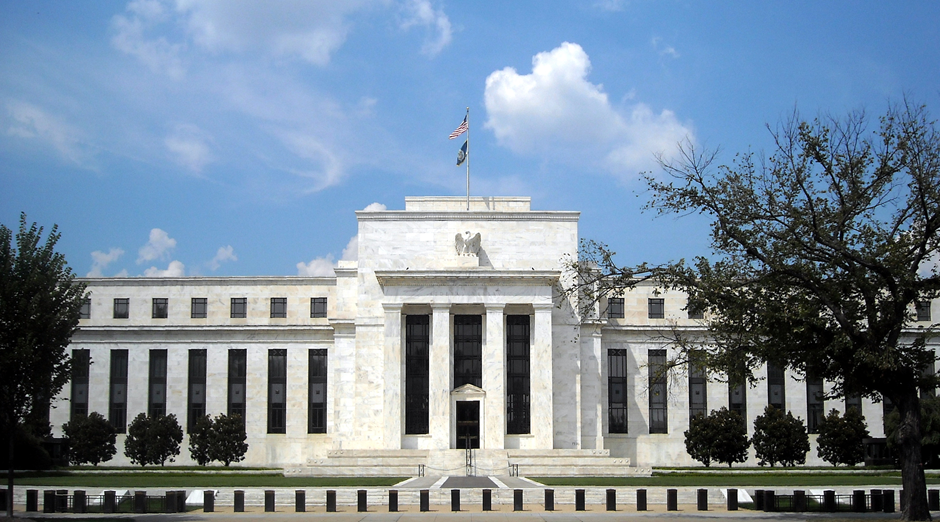
The Federal Reserve will soon meet to talk about what to do with interest rates. They want to keep costs down but don’t want to cause a recession. When people think prices will keep rising, like in the September survey, it makes the Fed’s job hard. If people think prices will keep going up, their actions might make it happen workers ask for more pay, businesses raise prices to cover costs, and the cycle starts again. What people feel is as important as higher costs: what people think affects what happens.
The question is whether this dip is a small thing or something bigger. It depends on whether prices start to drop again and if the job market stays steady. Economists will be watching to see if families change how they spend as the holidays come closer. Talks about the Federal Reserve may be cutting interest rates later this year will change how families feel about taking out loans, mortgages, and being able to buy things. This drop in how consumers feel comes down to trust. Do people trust that prices won’t get too high, that they will still have jobs, and that the economy will help regular people, not just those on Wall Street? The September survey says that trust is fading a bit, and if that keeps happening, it could hurt growth, even if the economy looks good otherwise.
The U.S. economy is still growing, but the September numbers tell us that growth isn’t as strong when people are worried. It’s about families watching every penny at the store, workers nervous about job cuts, and people wondering if they can get ahead. If people keep feeling that way, the U.S. economy might face problems that even a good stock market can’t fix.