



Get ready for some potentially bad news about health insurance in Florida. The cost of Affordable Care Act (ACA) plans could almost double starting January 1, 2026. Florida regulators have already agreed to these price increases. This could be one of the biggest jumps in health insurance costs that people in Florida have seen in years.
This is a big deal because Florida has the most people in the country signed up for ACA plans – over 3.6 million in 2023. Millions of families might soon have to pay a lot more for health insurance. What used to be affordable could suddenly be too expensive for many.
Here’s a look at what’s coming. If you live in Duval County, a 28-year-old who pays $149 a month for a silver plan might see their cost go up to around $281 in 2026. Families won’t be spared either. A family of four in the same county, making $85,000 a year, might see their monthly payment rise from $558 (with help from subsidies) to almost $864. People in rural areas could get hit even harder. A family of four in Okeechobee might have to pay over $1,600 each month, while an individual could pay over $480.

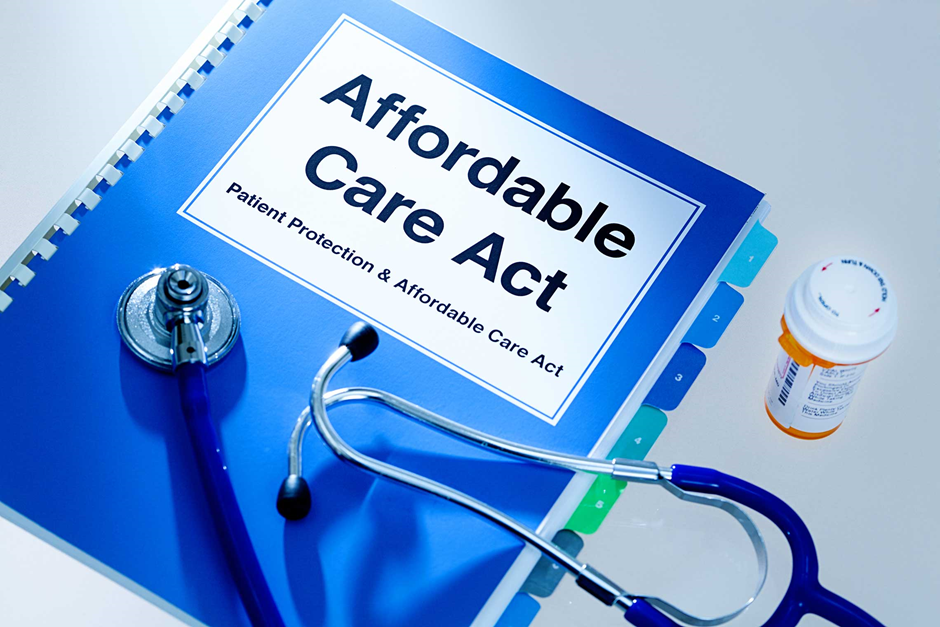
Why the big increase? There are two main reasons. First, the government help that has made ACA plans affordable is set to end in 2025. These subsidies have been very important in lowering monthly payments and helping families keep their insurance. If Congress doesn’t step in to renew them, people in Florida will lose that help and have to pay much more themselves. Second, healthcare costs keep going up. Hospitals are charging more, drug prices are rising, and insurance companies say they need to raise prices to keep up.
This could have serious consequences. Some experts say that nearly 1.4 million people in Florida could lose their ACA coverage if the subsidies disappear. This could double the number of people without insurance in the state. If people lose their coverage, it affects everything. Emergency rooms get more crowded, hospitals have to deal with more unpaid bills, and people put off getting regular care until they get sicker. In the end, these costs don’t just disappear; they get shifted around, often making healthcare more expensive overall.
Florida’s choice not to expand Medicaid under the ACA has made things even worse. In states that expanded Medicaid, many people with low incomes can get coverage without needing the marketplace. But Florida did not do that, leaving more people relying on ACA subsidies. If the subsidies end and Medicaid isn’t expanded, many people could be stuck in a tough spot making too much to qualify for Medicaid but not enough to afford the higher insurance costs.
That’s why the next Open Enrollment period, from November 1, 2025, to January 15, 2026, will be key. People in Florida will need to shop around carefully, compare all their options, and get ready to make some difficult choices. Some insurance companies have already hinted that their prices could go up by 30 percent or more. The actual costs will depend on the plan and where you live, but many families will likely have to decide whether to pay much more, get less coverage, or go without insurance altogether.
There is still hope. Congress could extend or renew the subsidies, which would keep costs down and prevent people from losing their coverage. But that requires politicians to work together, which is never a sure thing when it comes to healthcare. Insurance companies argue that they need to raise prices if healthcare costs stay high and the government stops providing aid.
But for most Floridians, this isn’t about politics or what companies say. It’s about whether they can afford to see a doctor when they need to. It’s about parents making sure their kids get checkups without emptying their savings. It’s about families who are already struggling with rent, gas, and food, facing yet another bill they can’t pay.
The healthcare system in Florida is at a turning point. If things don’t change, many people will have to pick between their health and their wallets. What was once called “affordable” care might become too expensive for the people who need it most.
That’s what this is really about. It’s not just about premiums and policies. It’s about whether people in Florida will still be able to get the care they need, or whether the cost of insurance will make it impossible.