

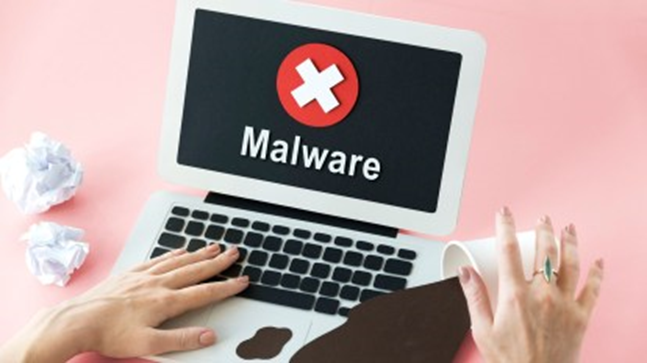
It started with a normal looking email, just like the ones we all get every day. It didn’t seem suspicious, and that’s how it tricked people. It had malware hidden inside, which is a bad computer code that starts working when you click on something. But this wasn’t just a simple online trick; it was aimed at the U.S. China trade talks.
These talks are already tense, with people in charge trying to make deals that could change things for billions of people. If you add a computer attack to that, it makes things really hard.
An Email That Looked Safe
The email looked like it was official and came from someone you could trust. Some people even think it looked like it came from a Republican politician’s office. Hackers are smart; they know people are more likely to trust an email if it looks like it came from someone they know.
But this wasn’t just any email; it was like a Trojan horse. It seemed safe, but it was dangerous inside. Anyone who opened it could have shared secrets about trade, private papers, or U.S. plans for the talks. It’s like accidentally showing your cards in a poker game that’s what was at risk.
So, Who Did It?
That’s what everyone wants to know.
China is the first country people suspect. They might benefit if they knew what the U.S. was planning. But experts warn that it’s not that easy to figure out. Hackers can hide where their attacks come from by using fake trails, copying code, and sending attacks through other countries. What looks like it came from China could be from Russia, North Korea, or a group of criminals trying to sell information to the highest paying person.
In computer warfare, things aren’t always what they seem.
Why Should You Care?
You might think this is just politics, but these trade talks matter to you. Tariffs change the price of things you buy every day, like phones, appliances, and food. Farmers are affected by tariffs on things like soybeans and corn, and factory workers worry when parts become expensive. Families notice when prices go up at the store. If hackers mess with these talks, it can affect people’s money, jobs, and what they eat.
This Has Happened Before
We’ve seen this kind of thing before. Remember the 2016 election hacks or the SolarWinds problem in 2020? Both of those things started small, with emails and hidden code, but they grew into big problems for national security.Often, the weakest point is people. We react to things that sound important or look urgent, and hackers take advantage of that. Just one click can open doors that should stay closed.
A Lot is at Stake
The U.S.-China talks are about things like tariffs, property, supply chains, and computer security. Even a small change in tariffs could move billions of dollars and make companies change their plans, affecting jobs and families. Imagine if hackers changed things by giving one side secret information. That’s not just spying; it’s unfair, and it changes everything.
What’s Being Done?
Computer security teams are looking at the malware to find clues about who sent it, like a computer address or code that was used before. Sometimes, a small mistake can solve the puzzle. U.S. government groups are telling people not to click on links from people they don’t know, to check who sent emails, and to update their computer systems. It sounds simple, but when one email can affect global trade, the basic things are important. In Washington, people are arguing about what to do. Some people think China is to blame and want stronger defenses. Others say we should wait for proof before we blame anyone.
Real People Are Involved
It’s not just politicians who are affected; it’s everyday people. Farmers are waiting to see if tariffs will affect their crops. Factory workers are worried about getting laid off. Parents are wondering if food will cost more. They’re all connected to an email they’ll never even see. That’s what’s scary. A few lines of code in an email can affect a lot of lives.
What’s Next?
The investigation will take time, like all computer investigations. Even if they have someone they suspect, it’s hard to prove they did it. It could take months to get clear answers.The trade talks will keep going, but people will be suspicious and careful. While the people in charge protect themselves, the rest of us might notice that prices are going up.
The Big Picture
That email reminds us that wars aren’t just fought with guns anymore. Now, they’re fought with code, silence, and clicks. We might not figure out who sent it, but the big lesson is that computer security is more than just a problem for the IT department. It’s about national security, the economy, and protecting everyone. Sometimes, the worst attacks come quietly in your email, disguised as something normal.