



It started quietly. A few jets landed in Puerto Rico. Then more came. By the weekend, a bunch of F-35 stealth fighters were sitting on the runway. You couldn’t miss them. The Pentagon didn’t make a big deal out of it. The media didn’t blow it up. But the message was pretty clear: America is getting ready.
Sources in Washington say the target is Venezuelan drug cartels. The U.S. is now calling these groups narco-terrorists. All of a sudden, this quiet arrival looks like the start of something bigger.
Venezuela and the Drug Business
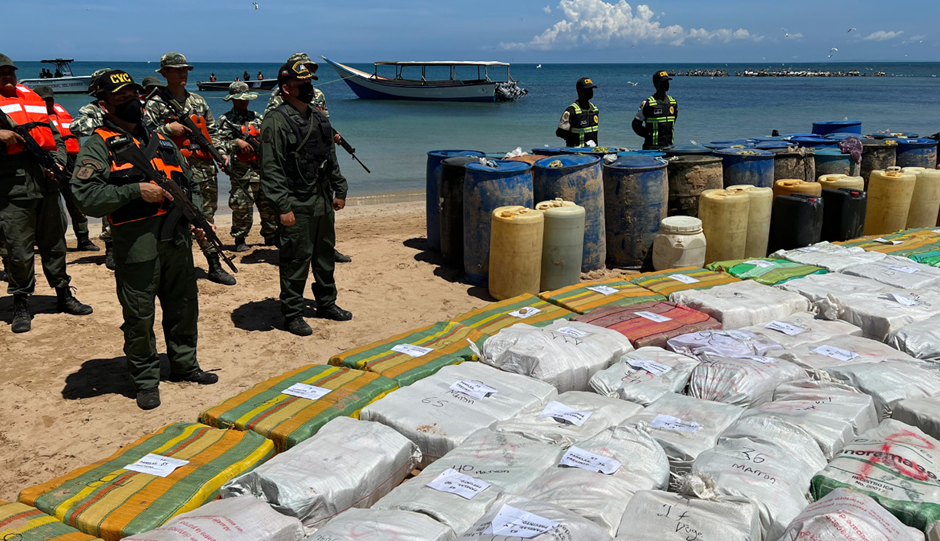
Venezuela has been on the U.S.’s radar for a while because of drugs. Cartels have turned parts of the country into a hub for their operations. Lots of cocaine leaves the country, often ending up on American streets.
The U.S. is facing a huge overdose issue. Fentanyl, cocaine, and pills are hurting communities and families. Washington wants answers. For the White House, sending jets is more than just moving military stuff. It’s a warning: we’re going after the source, not just the symptoms.
But drugs aren’t the only thing going on. Nicolás Maduro’s Venezuela has been a problem for America for a while. With backing from Russia, China, and even Iran, Maduro’s rule goes against U.S. power in the area. That makes every choice tough. It’s not just about cartels; it’s also about power.

Strikes: A Big Risk
Let’s be real. Hitting cartel locations in Venezuela is not the same as hitting a lab in Mexico or Colombia. It could cause something much bigger a direct fight with another country.
Maduro is already mad. He called the arrival imperialist. He knows what U.S. military buildup usually means: action. And once something starts, it’s hard to stop.
That’s the risk. One strike on cartel operations could cause problems. Venezuela talks about its rights. Russia and China agree. The U.S. could end up in a fight it doesn’t want.
Why the F-35s
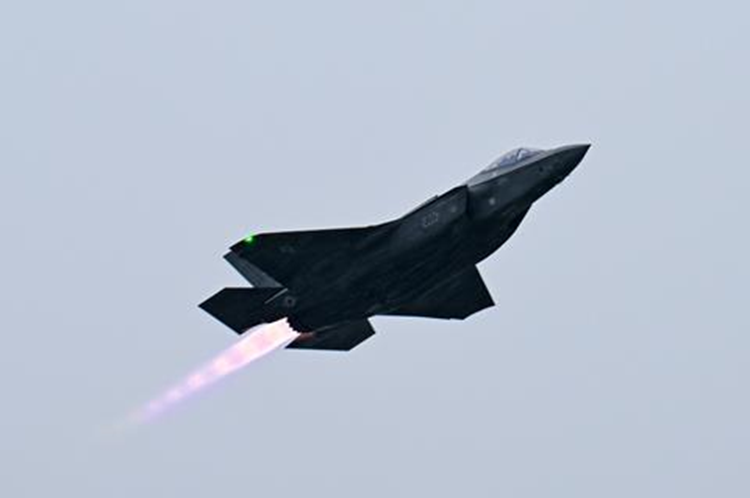
The F-35 is important. It’s the best American air power, with stealth and accuracy. It’s made to get past radar and strike without warning.
Putting them in Puerto Rico isn’t just for show. It’s getting ready. The Pentagon doesn’t move expensive planes for no reason. These jets cost a lot to keep running every day.
Their presence sends a message. To the cartels: we can reach you anywhere. To Maduro: don’t mess up. And to allies: we’re still in charge of the skies.
This isn’t a joke; it’s a serious sign.

Different Views in Washington
At home, people disagree.
Some politicians support the move. They say the U.S. needs to stop drugs at the source, not just at the border.
Others are worried. They say America has done this before the war on drugs. It cost billions with many lives lost. Drug dealers found new ways around it, and the problem stayed. Will Venezuela be any different? Many doubt it.
Everyday Americans have mixed feelings. Some are tired of foreign action. They don’t want another mission costing lives and money. Then some want action right away because Fentanyl has devastated their towns.
Venezuela Responds
Venezuela says Washington is planning aggression while acting like they’re fighting cartels. They think it’s another attempt to weaken Maduro’s power.
And there might be some truth to that. U.S. foreign policy has what you would call a pattern of pressure, surround, then act.
For Maduro, it’s about staying in power. For Washington, the danger is getting into another costly fight that could grow into something bigger than just drugs.
More Than Cartels
This isn’t just about drugs. It’s about power, control, and oil.
Venezuela has the most oil reserves in the world. But it’s on the side of America’s enemies. That makes it important in a bigger game.
If Washington strikes, Russia and China will say something. They’ll say it proves America is an imperialist. In today’s uncertain world, even small fights have big side effects. What starts in South America could move to Europe and Asia.
What’s Next?
Will the U.S. take action? Who knows?
Some people think it’s just a show of force to scare cartels and keep Maduro on edge. Others say they wouldn’t move F-35s without a real plan that they are ready to execute. The cost is too high. The message is too strong.
Most likely, Washington wants options and the ability to do something if it needs to. The jets in Puerto Rico do just that, giving a choice of options, from pressure to action.
But one wrong move could change everything.
In Conclusion
The U.S. thinking about strikes on Venezuelan cartels is about more than just drugs. It’s about world politics, oil, and power. The F-35s in Puerto Rico show all that off.
Whether America acts or not, the world is watching. Cartels see it. Maduro feels it. Countries like Russia and China are paying attention.
In global politics, sometimes just sending the message is enough.


