




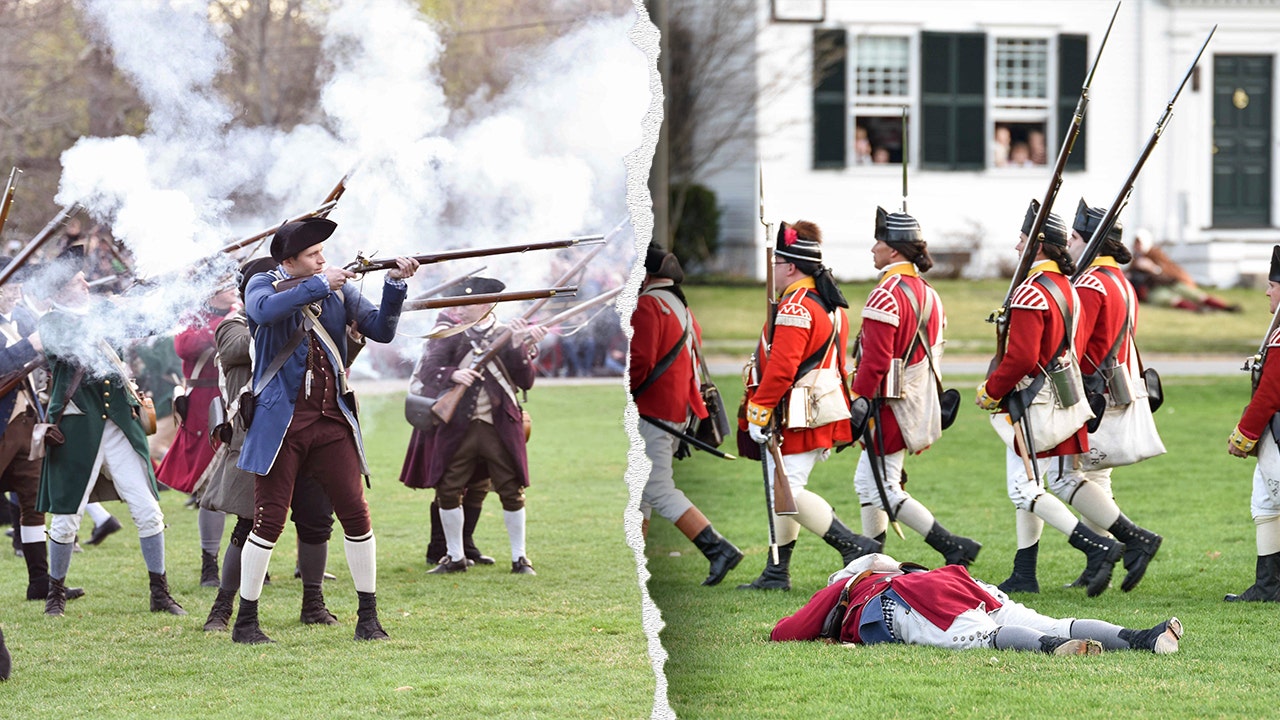
As the nation marks 250 years from the battles of Lexington and Concord, which ignited the American revolution, a mystery refuses to die.
Who fired the first shot?
It is the leg called “the listened shot ‘around the world”, but when it comes to who squeezed the trigger, the truth is still cloudy. What we do know is that some fired a musket.
A musket broke during the silence of the morning or April 19, 1775. When the smoke cleared, eight American militiamen were dead and the world would never be the same.
That shot ignited the fuse for a war that would restructure the story.
‘One If By Land’: White House, Boston celebrates the 250th anniversary of the midnight of Paul Revere
Despite how it is portrayed, even in a recent piece of Washington Post, the facts do not point to the US militia as the clear instigator. Nor show British shots under direct orders.
The Congress Library is overwhelming about it.
“There is no evidence to clearly show which side shot the first shot in the skiermh in Lexington,” he caresses.

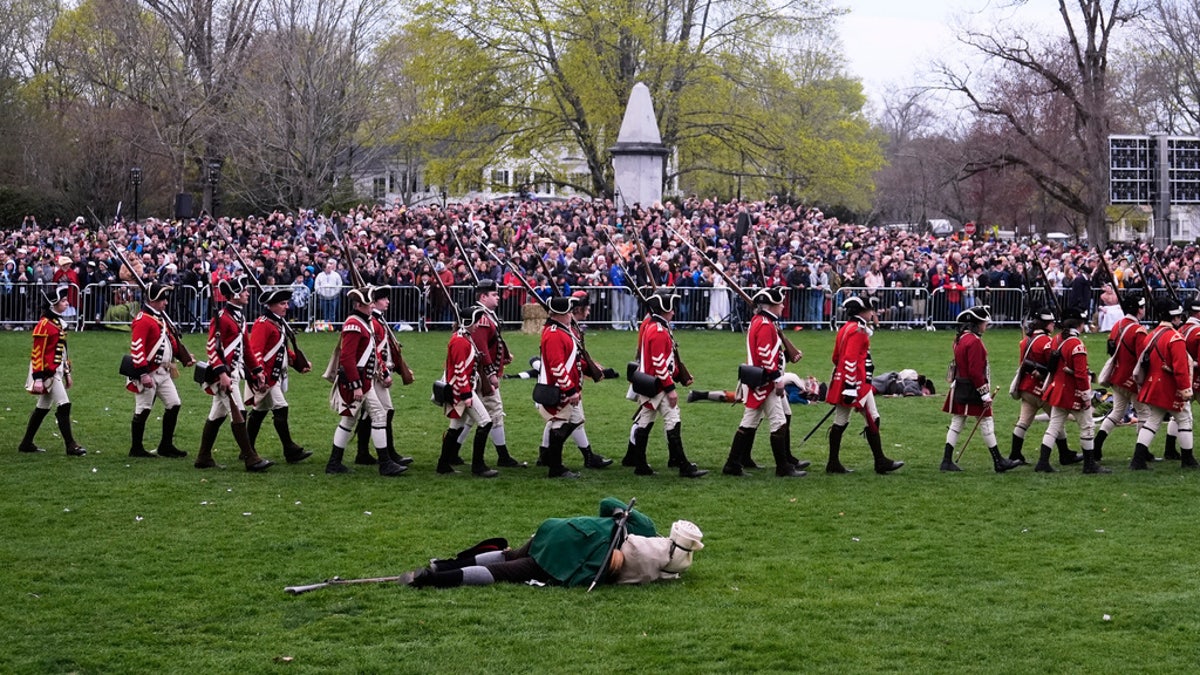
March, regular British clients, fits a colonial militia fallen from New England, also known as thorough teeth, duration of a recreation celebration of the 250th anniversary of the battle of Lexington and the beginning of the American revolution on Saturday in Lexington, Mass. (AP Photo/Charles Kupa)
Already thick before a war has just begun in other words, the “war fog.”
And yet, the colonial side won a powerful advantage, first in its history.
“Whatever the truth of who shot the first shot,” says the Library of Congress, “the Patriots were first to take their version of the events to the American public. The effect was to gather hundreds, if not thousands, or settlers of the rebellion.”
UNCANCEL The Minutemen: Celebrate Lexington and Concord Heroes, Black and White, on the 250th anniversary of Battle
That messenger advantage, mixed with years of frustration over British control, helped to turn the moment into a gear scream. But historians are still debating the real sequence of events. Was it a nerve red cape? An scared militia? Or simply a failure failure that nobody intended?
One thing we can say is that nobody has a leg definitely after the person who shot first. Not a single British soldier. Not a single American with a musket.
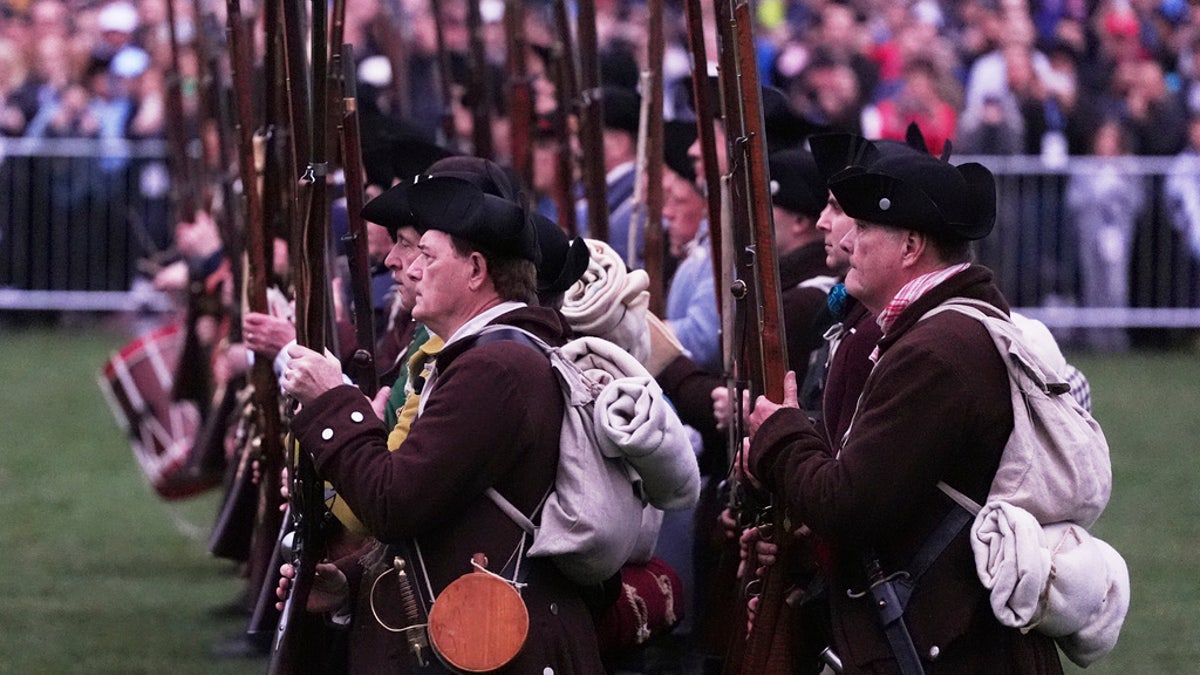
The New England’s colonial militia aligns while facing the usual British customers who last a recreation celebration of the 250th anniversary of the Lexington Battle and the beginning of the American Revolution on Saturday in Lexington, Mass. (AP Photo/Charles Kupa)
The confrontation was with shouting and high voltage commands, then it quickly became mortal shots. As CBS Boston said recently, trying to declare a single “official” war on the war is more complicated than many think.
The first to die fell in Lexington. Eight colonial militiamen, also known as Minutemen, were killed and others were injured. Only a few hours later, the fight intensified on the northern bridge of Concord, where American militias brought the usual British. That was the beginning of something much bigger.
A White House proclamation for the 250th anniversary calls the events in Lexington a “British ambush”, reinforcing a British narrative or aggression. But that language, although dramatic, is not reflected the historical debate that still develops. Even now, the incident remains involved in uncertainty.
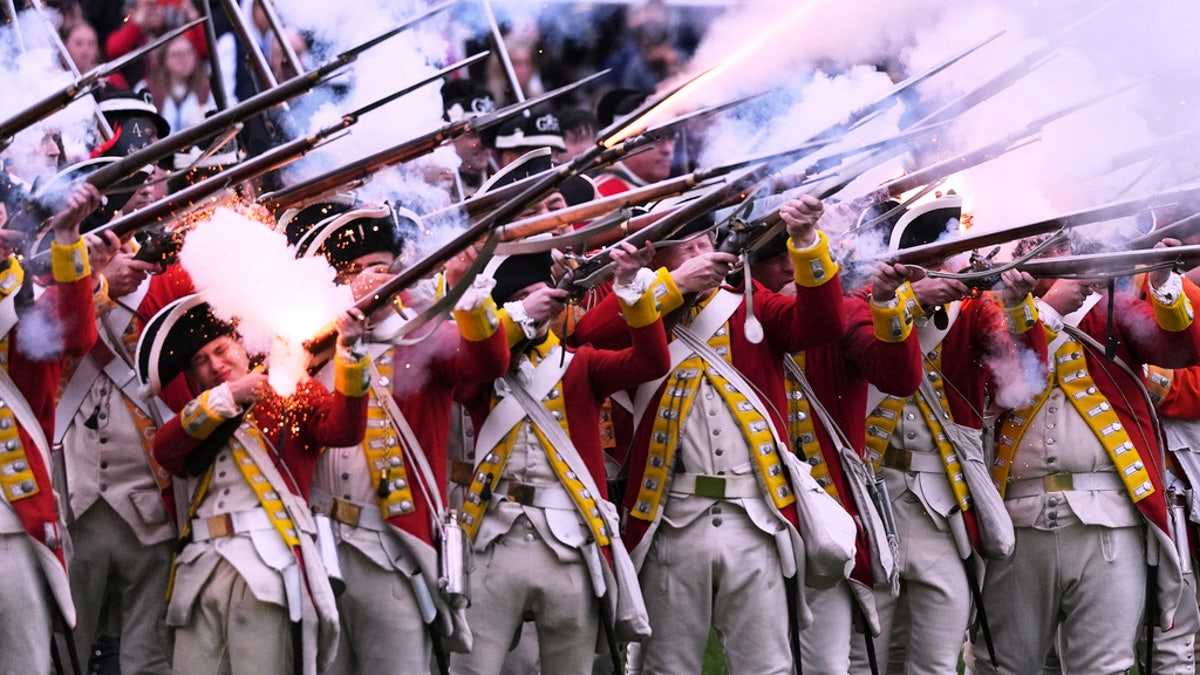
British regular customers shoot at the New England’s colonial militia duration of a 250th anniversary recreation celebration of the Lexington battle on Saturday in Lexington, Massachusetts. (AP Photo/Charles Kupa)
So the British fire first?
The best evidence we have: reports of eyewitnesses, British and colonial accounts and statements preserved by the Library of Congress) is inclined in that direction. It is likely that the first shot came from the British side, designed not under direct orders. Most likely, it was a moment of confusion, panic and fear. In chaos, someone squeezed the trigger.
Click here to get the Fox News application
But, again, no one has shown that the bone has proven to be that person. And perhaps, in a strange way, that is part of the story.
Because asking who shot the first shot is not just a history lesson, it is a symbol. That single shot marked the beginning of the long road from the United States to freedom.
Two and a half centuries later, the fact that we are still asking only to the legend.
The American Revolution Museum in Philadelphia rejected the request for comments from Fox News Digital.


