



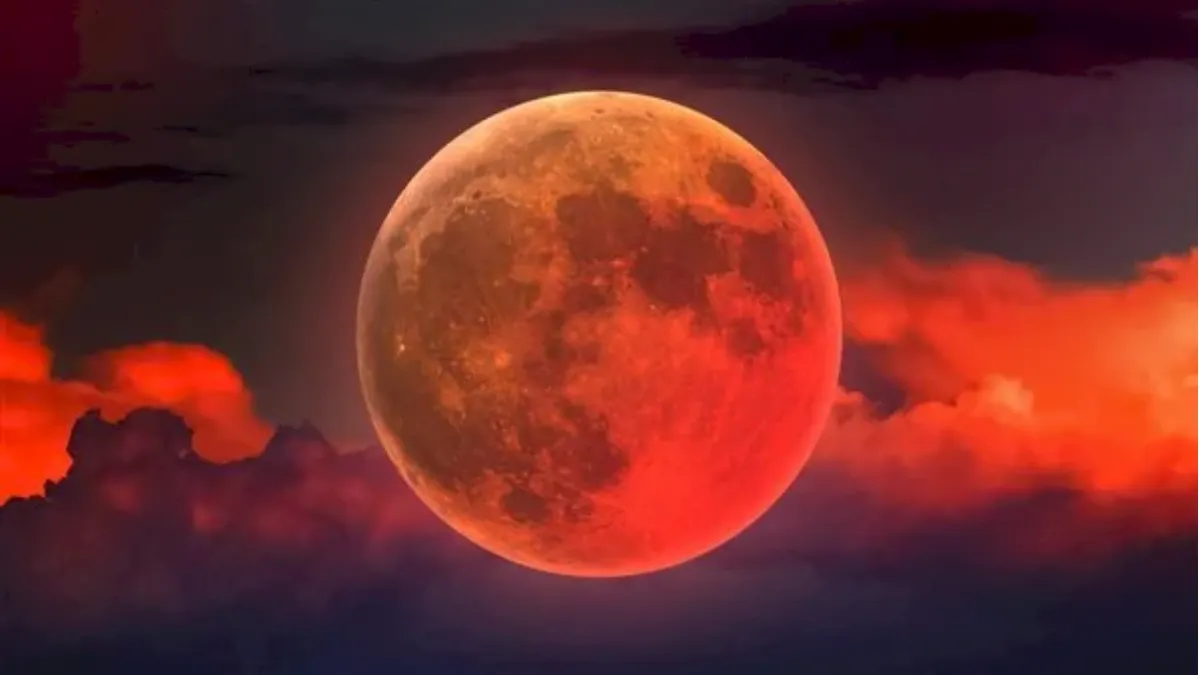
It started as any regular night. Calm skies. A pale moon shining above. Slowly, without much warning, the light started to fade. The moon, usually white, got darker and softer, and then turned red. A deep red Blood Moon.
Across the U.S., many people went outside to see it. Some had cameras. Others were just in their yards. Parents woke up their sleepy children, telling them to look at the sky. Strangers gathered in parks. It wasn’t just another night it was a rare sight from the universe.
The Moon Turns Red
Lunar eclipses grab your attention. They take time, unlike solar eclipses that end fast. Over hours, Earth’s shadow moves across the moon. First a little. Then half. Then it’s all in shadow.
But instead of disappearing, the moon glows red. It’s rusty, crimson, and strange.
This Blood Moon happens because Earth’s air bends light. The blues and greens scatter away. The reds and oranges get through, making the moon look like it’s on fire. It’s why sunsets look orange. Now, that sunset color covers the whole moon.
It’s science, yes. But it also feels like art.
A Shared Sky
From New York to California, people looked up. In Texas, families had lawn chairs. In Chicago, folks stayed close to the lake. In small towns, kids laid on blankets, pointing and laughing.
For a bit, despite different time zones and busy lives, the country looked at the same sky.

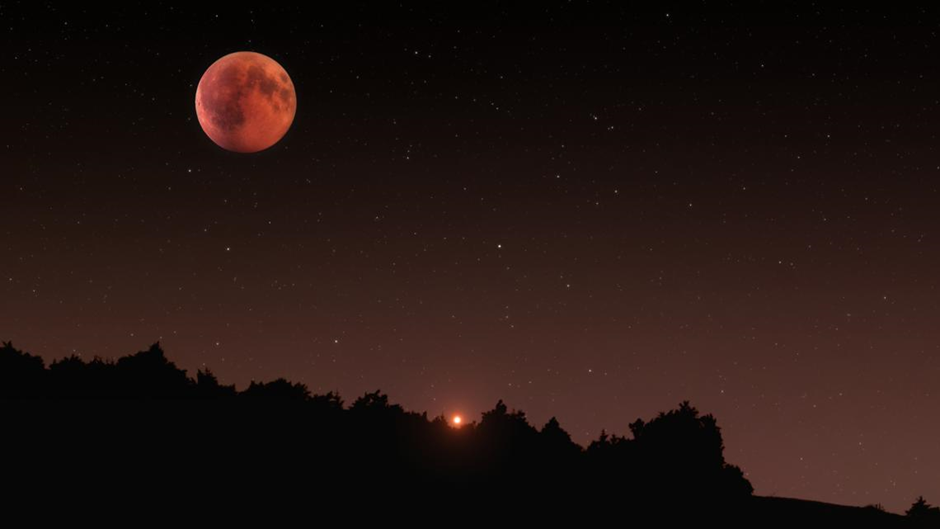
Social media went crazy. #BloodMoon and #LunarEclipse were popular all night. Some photos were great, taken with telescopes. Others were blurry. But all posts had the same feeling: I saw it too.
The moon was more than space. It was a conversation and a bond.
Ancient Echoes
This has happened before. People have seen red moons for years, even before telescopes.
The Inca thought a jaguar was eating the moon. They shouted and drummed to scare it away. In Mesopotamia, eclipses meant warnings for leaders. Some tribes saw the red moon as a fresh start.
Even now, old stories are around. Some talk about prophecies. Others link it to change. Science explains it, but there is still mystery. Maybe that’s the point—the Blood Moon feels bigger than facts.
Why It Matters
It’s just light and shadow, with Earth blocking the sun. NASA knows when it will happen.
But when you’re standing there, looking up, things change. You see how small we are. The stuff we worry about gets smaller. The universe feels big. And you’re part of it, but not forever.
That’s what lunar eclipses can do. It’s not just science, it’s a new look at things.
Looking Ahead
Did you miss it? No worries. Lunar eclipses happen again, but you might not always see them. NASA has a calendar of partial ones coming up. Another Blood Moon will be in North America in the next few years.
You don’t need anything special. Not even glasses like you do for solar eclipses. Just your eyes and a clear sky. Maybe some waiting. That’s it.
The universe doesn’t charge. The best shows are free.
Closing the Night
By morning, the moon was silver again. People went back to their lives. But they remembered the red glow.
It was more than science. It was a reminder. A chance to stop and look up. To feel amazed. To feel small and connected.
The Blood Moon is gone, but those who saw it will remember. Sometimes, the sky can still stop us in our tracks.


